


Most people are familiar with the concept of good oral hygiene, especially anyone who comes to see us! But have you heard about sleep hygiene? Good sleep hygiene simply means habits that will help you have a good night’s sleep and with lengthening days and the change to Daylight Savings Time coming up, it’s a great time to reassess your sleeping habits. You might be able to improve your sleep quality by making a few simple changes.
How Can You Learn to Listen to Your Body Clock?
Your body has its own 24-hour physiological clock and learning to listen to this clock or your circadian rhythms will help you to work with your body clock rather than against it. Most important bodily functions are synchronised to this 24-hour clock and it helps if you set a routine, for example getting up at the same time each morning. Don’t go to bed if you don’t feel tired as lying awake night after night can become a habit. Make sure you get plenty of light during the morning as this helps to regulate your body clock.
Make Your Sleeping Environment More Inviting
You will rest more easily if your bedroom is restful and comfortable. Replace your mattress if it has become uncomfortable and keep your bedroom at a comfortable temperature. Make sure your bedroom is dark enough and if you live in a noisy area think about using earplugs. Avoid watching TV in bed or using a computer as your brain will associate your bedroom with activity rather than rest.
What Should You Do Before You Go To Bed for Better Sleep and Oral Health?
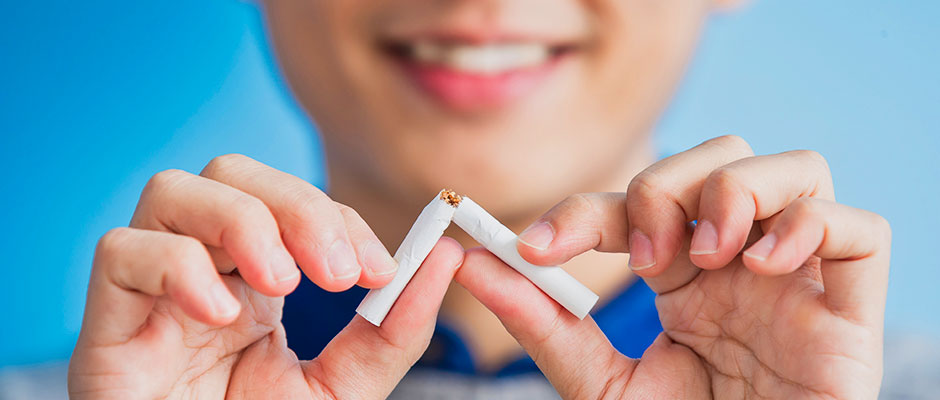
Before going to bed, you should avoid stimulants like cigarettes, alcohol, and caffeine, engage in relaxation, and maintain a thorough dental care routine to promote better sleep and oral health. Nicotine and caffeine are stimulants that can disrupt sleep, while alcohol, though initially sedating, can lead to disturbed sleep patterns. Instead, consider a warm milky drink. Stress reduction through relaxation exercises is also beneficial. Crucially, your regular dental care routine of brushing and flossing before sleep ensures your mouth is clean, which is vital because saliva production decreases during sleep, creating an environment where bacteria can thrive. This good oral hygiene also helps if you have bruxism, a condition linked to stress that can harm teeth, gums, and jaws. Quality sleep is essential for tissue repair, including in your mouth.
So how can better sleep hygiene improve dental health? By making sure good oral hygiene is part of your bedtime routine, you’ll ensure your mouth is clean during sleep. Ideally you want your mouth to be as clean as possible before sleep because you produce less saliva while asleep, creating the ideal conditions for bacteria to thrive. Relaxing as much as possible before sleep can be particularly useful if you have bruxism, where you clench and grind during the night. This condition has been linked to stress and can cause harm to your teeth, gums, jaws and jaw joints. Your body needs good quality sleep for repairs to tissues and this also applies to your mouth.
Don’t forget, daylight savings come into effect on Sunday, March 12th this year as the clocks spring forward.